Evacuation Plan for an Elderly Parent: Wildfire, Hurricane, Flood
By the Emergency Binder Now team · Updated · 11 min read
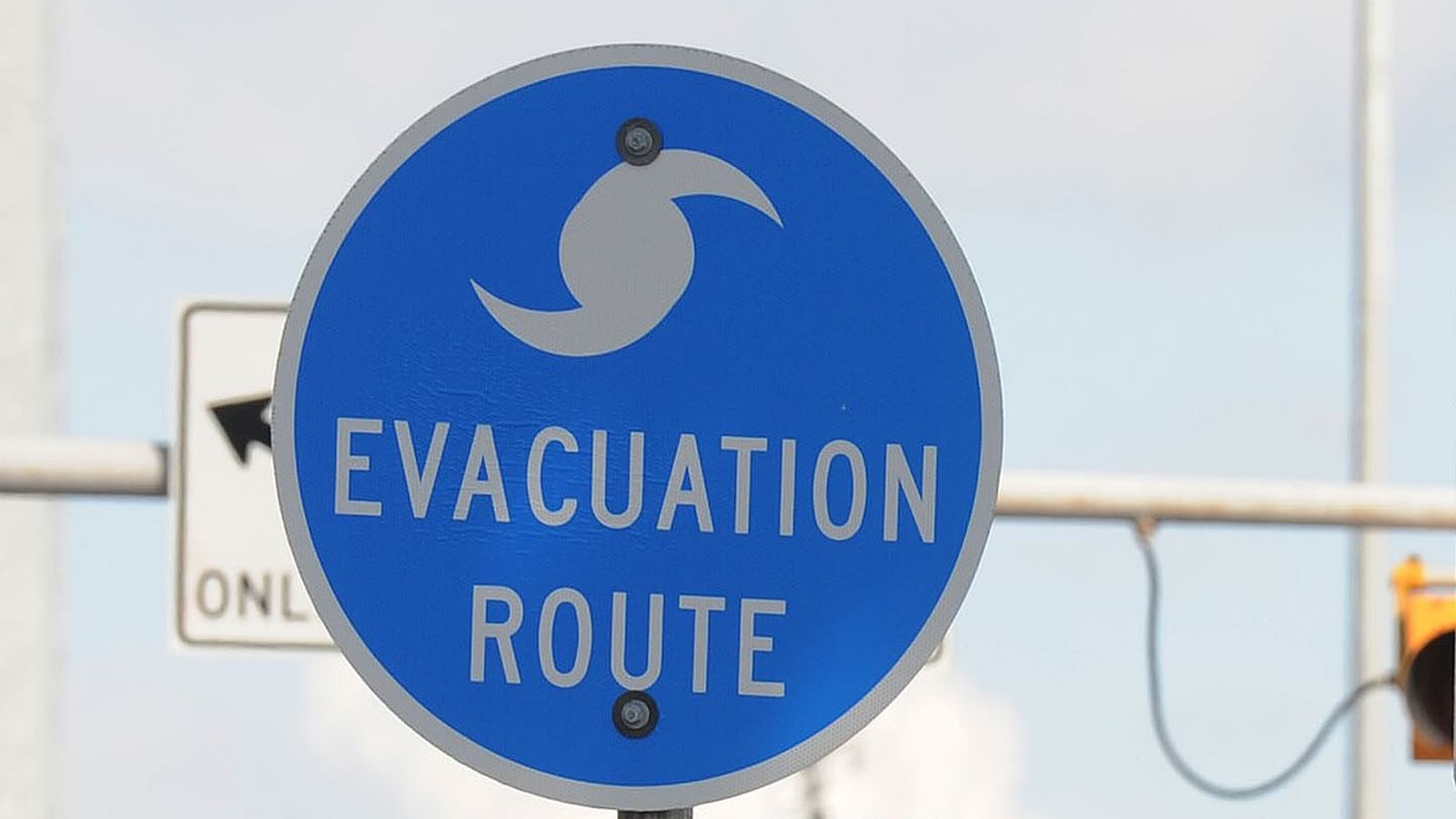
In this guide
- The plan on one page
- Know their zone
- Alerts: put them on your phone too
- Warning, order, and why "Set" means go
- Getting there: drivers, registries and destinations
- Medical needs that can't pause
- What to add to the bag for an evacuation
- A meeting place and an out-of-area contact
- If your parent lives in a nursing home or assisted living
- Who checks on them
- Coming home safely
- Frequently asked questions
- Keeping the plan where the drivers can find it
An evacuation plan for an elderly parent settles five things ahead of time: their evacuation zone, how the alert reaches them (and you), who drives, where they go, and what has to come along, from medicines to the walker. Timing matters most. California's emergency services office says people who need extra time should leave when an evacuation warning is issued, not wait for the order. Write it down, give copies to everyone with a job, and recheck it before each fire or storm season.
This guide covers leaving. For riding out an outage at home, local registries and a basic go-bag, see our emergency plan for a parent living alone.
The plan on one page
| Question | Write down |
|---|---|
| What could force them out? | Wildfire, hurricane, flood, or more than one |
| What zone are they in? | The zone name or number, and where you looked it up |
| How will they hear? | Phone alerts, county sign-up, weather radio, a person who calls |
| When do they leave? | At the warning, or earlier for a hurricane |
| Who drives? | Two names and numbers, or the county's transportation help |
| Where do they go? | Two places in different directions, plus the nearest shelter |
| What care can't stop? | Oxygen, dialysis, powered equipment, refrigerated medicines |
| Who tracks them? | One out-of-area contact everyone checks with |
Know their zone
Ready.gov's evacuation page notes that many states have designated evacuation zones and set routes, and says to learn them from state and county emergency management websites. Zone labels vary from place to place.
- Search the county name plus "evacuation zone" or "know your zone," and use the official county or state site.
- Enter your parent's street address, not the ZIP code. Zone lines can split a neighborhood.
- No map? Call the county emergency management office and ask for the zone and the routes.
- Write the zone on the plan and on a note by their phone, so "Zone B is ordered out" means something instantly.
For hurricanes, also check NOAA's storm surge risk maps, which show that surge risk can reach many miles inland in some areas. Ready.gov's hurricane page says storm surge has historically been the leading cause of hurricane deaths in the United States. For floods, Ready.gov's flood page points to FEMA's flood maps, with a fair caveat: flooding doesn't follow lines on a map.
Alerts: put them on your phone too
- Wireless Emergency Alerts. According to Ready.gov's alerts page, these are free and need no sign-up, but older phones may not support them and some models need them turned on. Look in your parent's phone settings for "Government Alerts" or "Emergency Alerts."
- The county's alert system. Ready.gov says to sign up for alerts from local emergency management, which is where zone-by-zone evacuation notices usually come from. Search the county name plus "emergency alerts" and register your parent's address with both their number and yours, if the system allows it.
- NOAA Weather Radio. The National Weather Service says NOAA Weather Radio broadcasts official warnings around the clock from more than 1,000 transmitters, including alerts for non-weather hazards. It needs a special receiver. For a parent who leaves the cell phone in another room, a battery-backed one by the bed is a good backup.
- The FEMA app. Ready.gov says it delivers National Weather Service alerts for up to five locations. Wireless alerts go to phones in the affected area, so if you live two states away you won't get your mother's. Add her address in the app.
Warning, order, and why "Set" means go
| Notice | What it means | What your parent does |
|---|---|---|
| Evacuation warning | Danger is coming; expect an order | Leave now if they need extra time, use oxygen or dialysis, or depend on someone to drive |
| Evacuation order | Immediate threat to life | Leave right away, by the routes officials give |
California's Office of Emergency Services explains warnings and orders this way, says anyone who needs extra time should pack up and leave at the warning, and notes that officials may not have time to knock on every door.
Many fire departments teach the same idea through Ready, Set, Go!, a wildfire program managed by a committee of the International Association of Fire Chiefs. Each department words the steps its own way, but the gist is: get ready now (Ready), be packed and paying attention as danger nears (Set), and leave early (Go). A fast fire can skip the middle step, so for an older parent, treat Set as Go.
Hurricanes usually give days of notice. Use them while roads are open and the driver is free; Ready.gov's advice is to "leave early enough to avoid being trapped by severe weather." Flash floods can come with no warning at all, and Ready.gov says six inches of moving water can knock a person down, so a parent with a walker leaves at the first instruction.
The conversation about leaving
Some parents won't go. They've ridden out storms before, or they don't want to be a bother. Talk while it's still a plan, and agree on a trigger: "When the county issues a warning for your zone, Mark comes to get you." That's a lot easier than arguing with the wind picking up.
Getting there: drivers, registries and destinations
Ready.gov's older adults page says to plan your transportation if you need help evacuating, and to plan how your assistive devices will come with you.
Name two drivers. A sibling 20 minutes away may be stuck in the same traffic or evacuating their own family. Make the backup someone outside the likely evacuation area, or a neighbor who will be leaving anyway.
Ask about a registry. Many counties, though not all, keep a special needs registry for people who would need help evacuating (the living-alone plan linked above explains how they work). For evacuation, the questions are whether it includes rides, who qualifies and when to renew. It doesn't replace your own plan.
Pick two destinations. Ready.gov suggests places in different directions, such as a friend in another town or a motel, so you have options. Write down the address and whether there are stairs.
Know the shelter option. The American Red Cross says on its shelter page that all its shelters are accessible to people with disabilities and no ID is required, and that its shelters and service sites can help refill lost prescriptions and replace lost glasses; its service sites also list charging for medical devices. It asks people to mention equipment or supply needs on arrival. The Justice Department's archived ADA shelter guidance says shelter programs run by or for state and local governments must not exclude people with disabilities and generally must allow service animals. Still, a shelter is a crowded room of cots, hard on someone with dementia, so treat it as the fallback. For a pet, see our emergency pet care plan.
Medical needs that can't pause
Oxygen
Before the season, ask the oxygen supplier how many portable tanks your parent can keep, how long each lasts at their setting, how to carry tanks safely in a car, and whether the supplier can deliver to the destination. Ask the doctor ahead of time what to do about wildfire smoke; the CDC lists trouble breathing and chest pain among its effects.
Dialysis
Under 42 CFR 494.62, Medicare-certified dialysis facilities must have an emergency plan, arrangements with other facilities to take patients if they have to close, and an emergency orientation and training program for patients. So ask the center where your parent would dialyze if it closes, and what to eat and drink if a treatment is missed. If your parent can't reach the center in a disaster, the National Kidney Foundation's emergency resources page lists the Kidney Community Emergency Response (KCER) hotline, 866-901-3773. Put it in their phone.
Equipment that runs on power
List everything that plugs in: concentrator, CPAP, power wheelchair, nebulizer. For each, note battery life, where the charger is, and whether it fits in the car. A power chair that won't fit in your sedan means a different ride or a manual chair for the trip.
You may hear about the HHS emPOWER Program. Its FAQ explains that it uses Medicare claims data to give officials de-identified counts, by area, of people who rely on electricity-dependent equipment, and that only a public health authority can request individual-level data for an emergency. Families don't sign up for it, and it isn't a ride.
Prescriptions
Refill anything running low before you go. If the pharmacy says it's too soon, two things may help once an emergency is declared:
- State emergency refill laws. Florida's statute, for example, allows up to a 30-day supply in counties under the governor's emergency declaration, for medicines essential to life or ongoing treatment, excluding Schedule II drugs. A 2021 multistate legal review found these rules vary widely by state, from a few days' supply to months. Ask the pharmacist what yours allows.
- Medicare drug plans. A 2017 CMS memo to Part D plans, sent after Hurricane Harvey, reminded them that in declared disasters they are expected to lift "refill-too-soon" limits and allow the maximum extended supply on request. Check how your parent's plan handles it now, and if the counter says no, call the plan.
A shelter nurse or a strange pharmacy can only replace what's written down, so keep the medication list current and in the bag.
What to add to the bag for an evacuation
Start with the basic go-bag from the living-alone plan, then add:
- The walker, cane or wheelchair, plus its cushion or charger
- Spare glasses, hearing aids with spare batteries or the charger, dentures and their case
- A small flashlight with fresh batteries
- An N95 mask for smoke, which Ready.gov's wildfire page suggests keeping
- Copies of ID, insurance cards, the health care power of attorney and any POLST, in a waterproof pouch
- A cooler and ice packs for refrigerated medicines
- Incontinence supplies for several days, if used
- Sturdy shoes and long sleeves for the trip
- A card with the destination address and the out-of-area contact's number
A meeting place and an out-of-area contact
Ready.gov recommends a meeting place in case people get separated, calling an out-of-state contact to say where you're going, and leaving a note at the house saying when you left and where. Four siblings calling Mom at once doesn't help. Pick one relative outside the area as the hub: your parent or the driver calls that person on leaving and on arriving, and everyone else checks with the hub. Our emergency contact list template has a line for it.
If your parent lives in a nursing home or assisted living
Nursing homes that take Medicare or Medicaid must keep an emergency plan under 42 CFR 483.73. It must cover safe evacuation, including transportation and destinations, arrangements with other facilities to take residents, and tracking residents who are moved. The facility also needs a method for sharing information from the plan with residents and families. Ask:
- Where do residents go, and how do they get there?
- How will you reach families, and whom do I call?
- Do medication records, oxygen and equipment travel with my parent?
- When do you evacuate rather than shelter in place?
Assisted living is regulated by states, not by that federal rule, so requirements vary. Ask the same questions and ask to see the plan. If you'd rather pick your parent up early yourself, tell the staff now. Moving a parent in soon? Add this to your nursing home admission checklist.
Who checks on them
Ready.gov suggests at least one person in an older adult's network have a spare key, know where the supplies are and know how to use any lifesaving equipment. In an evacuation, that person also confirms your parent actually left. If an order is in effect and your parent isn't answering, call 911 or the county emergency line with the address and their medical needs. Don't drive into the evacuated area yourself.
Coming home safely
Your parent returns only when officials say it's safe. Ready.gov's evacuation, flood and wildfire pages add:
- Check with officials both where you are and back home before traveling.
- Stay away from downed lines, floodwater and wet electrical equipment, and run generators only outdoors, away from windows.
- After a fire, avoid hot ash and smoldering debris. After a flood, people with lung conditions or weak immune systems shouldn't enter buildings with mold.
- Photograph damage and call the insurer.
The cleanup is not a job for an 80-year-old. Let your parent stay put somewhere comfortable while someone else does the first walk-through, and sort out the medicines and oxygen before they move back.
Frequently asked questions
How do I find out what evacuation zone my parent is in?
Search the county name plus "evacuation zone" and enter the full street address on the official county or state map. If there's no map, call county emergency management.
What is the difference between an evacuation warning and an evacuation order?
A warning means danger is coming and an order is likely; people who need extra time should leave then. An order means an immediate threat to life: leave now.
Can my parent go to a shelter with a wheelchair or oxygen?
Yes for Red Cross shelters, which the Red Cross says are all accessible to people with disabilities. Bring the oxygen, chargers and medicines, and tell staff about equipment needs on arrival.
Do nursing homes have to have an evacuation plan?
Yes, if they take Medicare or Medicaid, and they must have a way to share it with families. Assisted living rules come from the state. Either way, ask to see it.
Keeping the plan where the drivers can find it
An evacuation plan is a few decisions and a lot of details: the zone, two drivers, the oxygen supplier's after-hours line, the dialysis center's backup. You can gather them yourself with this guide and some phone calls. Or Emergency Binder Now's guided interview, about 25 minutes, turns your answers into a printable binder with medicines, doctors, contacts, a one-page sheet for paramedics and a list of what's still missing. Take a look at a sample binder, and see our emergency binder checklist for what else belongs in it.
This article is general information, not medical or legal advice. Evacuation zones, alerts, registries and emergency refill rules vary by state and county. Follow local officials, and ask your parent's doctor, pharmacist, oxygen supplier or dialysis center about anything medical.
This guide is general information to help families get organized. It isn't legal, medical or financial advice; for decisions about your parent, talk with their doctor, pharmacist or an attorney in their state.