Fever During Chemo: An Emergency Plan for an Elderly Parent
By the Emergency Binder Now team · Updated · 12 min read
In this guide
- Why a fever during chemo can't wait until morning
- The fever number: 100.4, 100.5, or what the team says
- When the risk is highest
- Taking the temperature the right way
- Other signs that mean call the team now
- The after-hours call: get the number before you need it
- When to skip the callback and call 911
- At the ER: the sentence and the card
- Where families slip up
- Frequently asked questions
- Before the next infusion
If your parent is on chemotherapy and runs a fever, treat it as a possible emergency and call the oncology team right away, day or night. The CDC says to call for a temperature of 100.4°F (38°C) or higher, though some teams use a slightly different number, and your parent's team's own instructions come first. Don't give a fever reducer before you call unless the team has told you to. If your parent is having trouble breathing, has chest pain, is hard to wake or is suddenly confused, call 911.
This is general information to take to your parent's oncology team, not medical advice. Their written instructions always come first.
Why a fever during chemo can't wait until morning
Chemotherapy often lowers the white blood cells that fight infection. The CDC's page on watching out for fever says it bluntly: "If you get a fever during your chemotherapy treatment, it's a medical emergency." It explains that a fever may be the only sign of an infection, and that an infection during chemo can be life threatening.
The National Cancer Institute (NCI) agrees on its page about infection and neutropenia: infections during cancer treatment "can be life threatening and require urgent medical attention." Neutropenia is the name for a low count of neutrophils, one kind of white blood cell. When fever and neutropenia show up together, the American Cancer Society (ACS) calls it neutropenic fever or febrile neutropenia.
What makes this hard for families is that your parent may feel only a little off. Older people in particular tend to apologize for calling anyone after dinner. NCI's Chemotherapy and You booklet answers that worry directly: "Even if it's on the weekend or in the middle of the night, you still need to call."
The fever number: 100.4, 100.5, or what the team says
Most sources use 100.4°F (38°C). That includes the CDC, the ACS fever page, UPMC and MD Anderson. NCI's pages use 100.5°F, and its booklet adds that this "can vary" and to ask the doctor or nurse when to call.
There's a second wrinkle that most pages skip. The ACS defines fever in people with cancer as 100.4°F or higher "for at least one hour." That's a definition, not advice to sit and watch the clock, and the CDC says to call right away at 100.4°F. Unless the team has told you otherwise, call when the reading is high rather than waiting an hour to see if it holds. Ask the team what they want your family to do at 2 a.m., and write their answer down word for word.
| Source | Number it uses | What it says to do |
|---|---|---|
| CDC | 100.4°F (38°C) or higher | Call the doctor right away, even in the middle of the night |
| American Cancer Society | 100.4°F (38°C) or higher for at least one hour | Ask the cancer team what counts as a fever for your parent |
| National Cancer Institute | 100.5°F (38°C) or higher | Call right away, or at whatever temperature the team names |
| MD Anderson | 100.4°F | Go to an emergency room as soon as possible |
So the honest answer to "what temperature is an emergency during chemo?" is: the one on your parent's discharge papers or clinic handout. If you don't have one, the CDC's 100.4°F is the safer default, and calling the team is always allowed.
A low temperature or no fever can still matter
The ACS fever page says people with neutropenia "might not have chills, sweats, or a cough," and that some people with severe neutropenia "might even have a lower-than-normal body temperature." The ACS page on managing infections and sepsis lists fever or an unusually low body temperature, new or worse confusion, dizziness or falling, and being unable to get out of bed for more than 24 hours among the signs to watch for.
For an older parent, that confusion line deserves a star. If your dad is suddenly muddled the week after treatment, don't wait for a thermometer to explain it. Our guide to sudden confusion in an elderly parent covers how to describe it to the people on the phone.
When the risk is highest
The CDC's page on neutropenia says it "often occurs between 7 and 12 days after you receive chemotherapy," though timing depends on the treatment. Its symptoms page adds that this low point can last up to a week. The ACS page on low white blood cell counts calls it the nadir and says it usually comes about 7 to 10 days after chemo.
The practical step most guides leave out: put the window on the family calendar. After each treatment, ask the infusion nurse, "When will her counts likely be lowest this cycle?" Then mark those days. That's the week to keep the thermometer on the nightstand, keep the after-hours number on the fridge, and maybe skip the grandkids' birthday party with the kid who has a cold.
Taking the temperature the right way
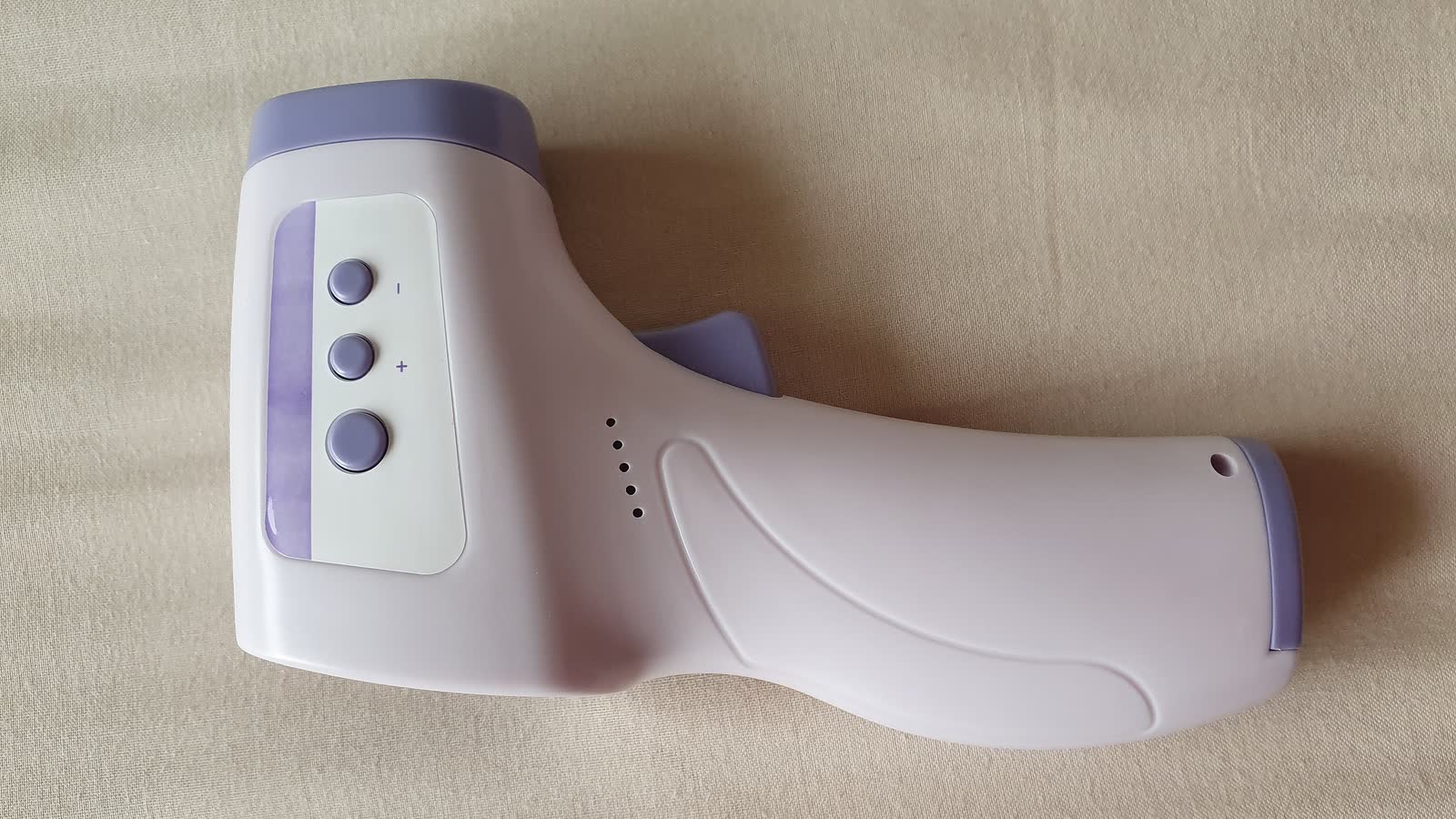
- Use an oral thermometer. The ACS says oral readings are usually more accurate than armpit, ear or forehead readings. Clean it before and after each use.
- Never take a rectal temperature if your parent is neutropenic. The ACS says so directly.
- Check when something feels off. The CDC says to take a temperature any time your parent feels "warm, flushed, chilled, or not well." NCI's booklet suggests checking at least once a day during neutropenia, or as often as the team says.
- Keep it working. The CDC says to keep a thermometer that works somewhere easy to reach and to know how to use it. A spare battery in the same drawer saves a midnight hunt.
- Write each reading down with the time. The person on the phone will ask.
Hold the fever reducer until you've called
This is the step that trips up the most caring families. NCI's booklet says not to take aspirin, acetaminophen, ibuprofen "or any other drugs that reduce fever without first talking with your doctor or nurse." NCI's infection page explains why: these medicines "may also mask or hide signs of a more serious problem." The ACS adds that some teams might prefer that a fever not be treated at all.
So if Mom wakes up hot and reaches for the bottle by the sink, take her temperature first and call. If she already took something, that's fine; tell the nurse what she took and when. Never start, stop or change any of her medicines on your own. That call belongs to the oncology team.
Other signs that mean call the team now
Fever isn't the only reason to pick up the phone. The CDC's list of signs and symptoms of infection includes:
- Chills and sweats
- A new cough or a change in cough, sore throat or a new mouth sore
- Shortness of breath, nasal congestion or a stiff neck
- Burning or pain with urination, or urinating more often
- Redness, soreness or swelling anywhere, including surgical wounds and ports
- Diarrhea, vomiting, or pain in the belly or rectum
- New pain of any kind
NCI also lists swelling or redness where a catheter enters the body. If your parent has a port or other central line, that spot is worth a look every day during the low week.
The after-hours call: get the number before you need it
Ask how your parent's practice handles calls after hours, because each one does it a little differently. Memorial Sloan Kettering's patient guide on worrying symptoms says "There is always a doctor or nurse on call," and tells patients to call the oncology office after hours and follow the instructions to reach that team. Your parent's clinic may route you through an answering service, a hospital operator or a nurse line.
Three questions to ask at the next appointment:
- What number do we call at night, on weekends and on holidays, and what happens when we call it?
- What temperature should make us call, and does it change for this treatment?
- If we can't reach anyone, should we go to the nearest emergency room or to a particular hospital?
That last question matters because programs differ. University Hospitals Seidman Cancer Center's fever card tells patients with a fever of 100.4°F or higher to call the cancer doctor right away, and if no one calls back after 20 minutes, to go to the nearest emergency department. MD Anderson's article says cancer patients with a fever above 100.4°F should go to an emergency room as soon as possible. Neither is wrong. They're different programs with different instructions, which is exactly why you want your parent's version on paper.
One more thing to sort out in daylight: whether the clinic will talk to you. If you might be the one calling, ask the office what they need on file so the night nurse can discuss your parent's care with you. Our guide to patient portal proxy access covers the paperwork side.
What to have in front of you when you call
Nobody thinks clearly at 3 a.m. Keep this list next to the phone:
- Your parent's full name, date of birth and oncologist's name
- The type of cancer and the name of the treatment
- The date of the last chemo
- The temperature, the time you took it and how (by mouth, armpit)
- Any other symptoms, and when they started
- Whether your parent took a fever reducer, which one and when
- Whether they have a port or other line
- Allergies, especially to antibiotics
Start with one sentence: "My mother is on chemotherapy, her last treatment was on Tuesday, and she has a temperature of 100.8." Then answer questions.
When to skip the callback and call 911
Waiting for the on-call doctor makes sense when your parent is awake, talking and breathing comfortably. It doesn't when things are getting worse. Memorial Sloan Kettering says, "If you need medical care right away, call 911 or go to your local emergency room."
The CDC's sepsis page calls sepsis "a life-threatening medical emergency" and lists its signs:
- Clammy or sweaty skin
- Confusion or disorientation
- Extreme pain or discomfort
- Fever, shivering or feeling very cold
- High heart rate or weak pulse
- Shortness of breath
Our rule of thumb for the card on the fridge, as general advice and not a substitute for the team's instructions: call 911 for trouble breathing, chest pain, a parent who is hard to wake or newly confused, or a fever along with clammy skin, a racing heart or weak pulse, or extreme pain. If you're unsure whether it's a 911 situation, call 911; the dispatcher can help you decide. Tell them your parent is on chemotherapy, and let the oncology team know once help is on the way.
At the ER: the sentence and the card
The CDC tells patients to let the check-in staff know they are a cancer patient getting chemotherapy and that a fever could mean a life-threatening infection that needs prompt evaluation. UPMC says to share that you have cancer when you check in so staff can see you quickly. The ACS suggests wearing a face mask at the clinic or emergency department to avoid other people's germs.
Say it at the front desk and again at triage: "She's on chemo, last treatment eight days ago, temperature 101. Her oncologist is Dr. Lee." Then hand over the card.
What goes on the ER card
The University Hospitals card is a good model. One side tells the patient what to do. The other side is addressed to ED staff, says the person is getting cancer treatment, has a fever and "may need prompt treatment for febrile neutropenia," and has blanks for the cancer doctor and office phone.
Ask whether your parent's clinic has its own fever card. If it doesn't, make one on an index card:
| Line | Example (made up) |
|---|---|
| Alert | Receiving chemotherapy. Fever may mean febrile neutropenia. |
| Cancer and treatment | Breast cancer, chemo every 3 weeks |
| Last treatment | Date, written in pencil and updated each cycle |
| Oncologist | Name, practice, office phone, after-hours line |
| Treating hospital | Where the oncology team admits patients |
| Port or line | Right chest port |
| Team's fever rule | "Call at 100.4°F or higher" in the team's words |
| Allergies | Including antibiotics |
| Other conditions | Diabetes, heart failure, kidney disease |
| Advance directive | Where it is kept and who the health care proxy is |
Keep one in your parent's wallet, one in the go-bag and a photo on your phone and your siblings' phones. Our emergency medical information sheet shows how this fits with the rest of the one-page sheet, and what to bring to the ER covers the bag itself.
Where families slip up
- Giving a fever reducer first, or waiting to see if it breaks. The medicine can hide the very sign the team needs to see, and waiting costs hours. Unless the team told you otherwise, call.
- Not knowing the after-hours number. Calling the day number at night may get you a recording. Know what to press or whom to ask for.
- Saying "she's fine, just a little warm" at triage. Lead with chemo and the date of the last treatment.
- Forgetting the list of medicines. The ER will ask what your parent takes besides chemo. Keep an up-to-date medication list with the card.
- Never updating the last-treatment date. A card that says "last chemo March" in October helps no one.
Frequently asked questions
What temperature is considered a fever during chemo?
Most sources, including the CDC and the American Cancer Society, use 100.4°F (38°C). The National Cancer Institute uses 100.5°F and notes it can vary. Your parent's oncology team may have its own number, and theirs is the one to follow.
Should I go to the ER or call the oncologist first?
It depends on the program. Some cancer centers say to call first and go to the ER if no one calls back within a set time; others say to go straight to the emergency room. Ask your parent's team now. For trouble breathing, chest pain or new confusion, call 911.
Can I give acetaminophen for a fever during chemotherapy?
Not without talking to the oncology team first. NCI's booklet says not to take acetaminophen, aspirin, ibuprofen or other fever reducers before checking with the doctor or nurse, because they can hide signs of a serious problem.
When is the risk of infection highest after chemo?
The CDC says neutropenia often occurs 7 to 12 days after chemotherapy and can last up to a week. The ACS says the low point usually comes about 7 to 10 days after treatment. Timing depends on the drugs, so ask the team.
Before the next infusion
You can put all of this together yourself: one conversation with the infusion nurse about the fever number and the after-hours line, an index card, and a note on the calendar for each low week. If you'd rather have help with the organizing, Emergency Binder Now turns about 25 minutes of guided questions into a printable binder with your parent's doctors, medicines and contacts, a one-page Emergency Information Sheet for paramedics and the ER, and a list of what's still missing. You can see a sample binder before deciding.
This guide is general information to help families get organized. It isn't legal, medical or financial advice; for decisions about your parent, talk with their doctor, pharmacist or an attorney in their state.