Caregiver Binder vs. Emergency Binder: Do You Need Both?
By the Emergency Binder Now team · Updated · 11 min read
In this guide
- Two binders, two different readers
- Caregiver binder vs. emergency binder, side by side
- What goes in a caregiver binder
- What the emergency side needs that caregiver binders often skip
- How to keep one set of facts in both
- Paper, digital, or both
- When one binder is enough
- What to update, and when
- A pack of tabs, or a head start
- Frequently asked questions
A caregiver binder is the working notebook for whoever does the day-to-day care: appointments, care logs, questions for the doctor, routines. An emergency binder is for a stranger or a backup person who has to help your parent fast, with no time to read a care log. They share a core of pages (medications, doctors, contacts, insurance), so most families need one binder with two clearly separate parts, not two binders built from scratch.
Two binders, two different readers
The easiest way to tell them apart is to ask who opens it, and when.
The caregiver binder gets opened every week by the same few people. You, a sibling, a paid aide. It travels to appointments and gets written in. The Family Caregiver Alliance describes a "Caregiver's Notebook" as a looseleaf binder kept by the caregiver to compile diagnoses, doctors' appointments, questions and medication history. That is a living record, and it gets messy, which is fine.
The emergency binder might be opened twice in its whole life, by someone who has never seen it before: a paramedic, the neighbor with the spare key, your brother who flew in last night. That reader needs the answer to "what does she take and who do I call" in under a minute. They will not read three months of blood pressure readings to find it.
So the caregiver binder is a tool for managing care. The emergency binder is a tool for handing care off. Same parent, same facts underneath, very different page order.
Caregiver binder vs. emergency binder, side by side
| Feature | Caregiver binder | Emergency binder |
|---|---|---|
| Main reader | The people doing regular care | Someone unfamiliar, in a hurry |
| Opened | Weekly or daily | Rarely, usually in a crisis |
| Goal | Track and coordinate ongoing care | Get the right facts to a helper fast |
| Typical pages | Calendar, care logs, symptom and behavior notes, visit notes, questions, routines | One-page emergency sheet, contacts, meds, allergies, insurance, where legal papers are |
| Writing style | Running notes, handwritten is fine | Short, typed, dated, readable by a stranger |
| Changes | Constantly | Only when facts change |
| Where it lives | Wherever care happens, often travels to appointments | One known spot at home, plus copies |
| Most common failure | Too full to find anything | Out of date |
Notice the bottom row. The two binders fail in opposite ways, which is the main argument for keeping their pages apart even if they share a cover.
What goes in a caregiver binder
There's no official list, but the health system and nonprofit guides line up well. Luminis Health, a nonprofit regional health system in Maryland, publishes a caregiver organizer for a three-ring binder that is one of the most practical versions out there. Pulling it together with the Family Caregiver Alliance and the Alzheimer's Association, a good caregiver binder holds:
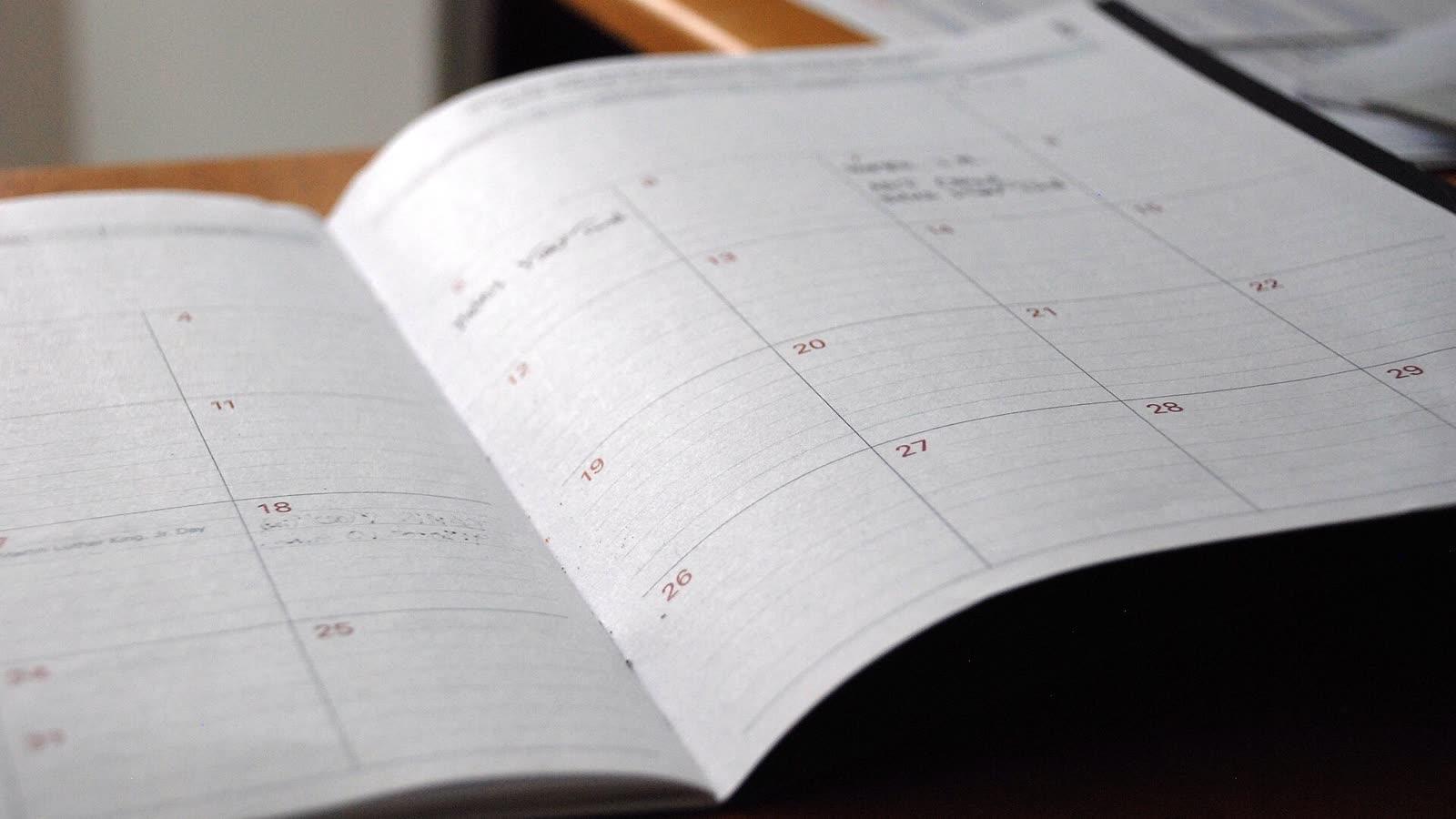
- A full-page monthly calendar with appointments and who is covering which days
- Current medication list, with pharmacy and prescribing doctor
- A medication administration chart, if more than one person gives pills
- Diagnoses, past medical history and family medical history
- Every provider and supplier: doctors, pharmacy, home health agency, medical supply store
- A page or pocket for business cards from each office
- Discharge papers and after-visit summaries, newest on top
- Questions for the next appointment, written down before you go
- Notes on changes: sleep, appetite, mood, falls, confusion
- The daily routine and what works
- A backup plan: who covers if the main caregiver is sick
- Lined paper for notes during visits
Two of those deserve more attention than they usually get.
The change log. The Alzheimer's Association suggests noting changes in behavior, routines or eating habits as specifically as you can: when it happens, how often, and what seems to set it off. "Dad's been off lately" gets a shrug at an appointment. "Up three nights this week, confused after 4 p.m., skipped lunch twice" gets a real conversation. Printable trackers from online shops are good at this part, and if a specific symptom or behavior chart helps you, use it.
The routine page. This is the page a substitute aide actually reads. For the day a paid caregiver doesn't show up, two experts quoted by AARP recommend posting the backup contacts along with instructions about medicines, meals and other care, on the kitchen wall or in a binder on the counter, so someone who has never worked in the home knows what to do. Wake time, how she likes her coffee, which chair she can get out of and which she can't. The Alzheimer's Association's daily care plan guidance is a good prompt here: likes, dislikes, the time of day the person does best, and regular times for waking and going to bed.
What the emergency side needs that caregiver binders often skip
Most caregiver binder templates include an "emergency contacts" page and stop there. That is not the same as being ready for a 911 call. The pages that make a binder useful to a stranger are:
- A one-page summary on top: allergies, conditions, medications, code status, health care agent, and your parent's normal baseline, dated.
- Where the legal papers are, not just whether they exist. "Health care power of attorney: copy in back pocket, original in Dad's desk, lawyer has one too."
- A grab envelope with copies of insurance cards and the health care documents, ready to leave with whoever rides to the hospital.
- No running notes. Nothing that makes someone dig.
We cover all of this in the emergency binder checklist for elderly parents, including what paramedics look for on that one page. If you want the emergency pieces with almost no effort, the fridge form from a Vial of Life kit handles the very front of it.
How to keep one set of facts in both
The real fear with two binders is double work: you update the medication list in one, forget the other, and now there are two versions in the house. Here's how to avoid that.
- Split pages into "reference" and "log." Reference pages hold facts that are true right now: meds, allergies, doctors, contacts, insurance, documents. Log pages hold history: notes, readings, visit summaries. Only reference pages ever go in the emergency binder.
- Make each reference page once and print it twice. Type the medication list, contacts and doctor list one time. Print a copy for each binder. When something changes, reprint the page and swap both copies the same day.
- Put a date in the corner of every reference page. When you swap pages, the date tells you at a glance whether both binders match. If they don't, the newer one wins and the older page gets shredded.
- Give each page an owner. If your sister handles the pharmacy, she owns the medication list. One person updating one page is far less likely to drift than everyone "keeping an eye on it."
- Or use one binder with a bright front section. Put the emergency pages first, behind a red tab, with the caregiver logs behind them. One cover, one set of reference pages, and anyone in a hurry is told "just the red section."
That last option is what many families end up with. It works well as long as the binder stays in one predictable spot. Its weakness is that a caregiver binder tends to leave the house for appointments, which is exactly when an emergency at home would need it. If the binder travels, keep a separate copy of the emergency pages at home.
The medication list is the shared page most likely to cause trouble, because it changes most often. Our guide to making a medication list for an elderly parent covers the exact columns and how to check it against the bottles.
Paper, digital, or both
The National Institute on Aging suggests a caregiving notebook with medical care, social services, contact numbers and financial details, kept either electronically or as a paper notebook in a central location, and says to make sure everyone has access to it and that it gets reviewed regularly. For families spread out over several states, NIA's long-distance caregiving page suggests keeping phone numbers in a shared online document and coordinating through a shared calendar.
In practice, each format suits different pages:
| Page | Better on paper | Better digital |
|---|---|---|
| Who's covering which day | Shared calendar, so everyone sees changes | |
| Care log and symptom notes | Fine for one main caregiver | Better when several people write in it |
| Questions for the doctor | Easy to carry in | Patient portal messages between visits |
| Medication list | Yes, a printed copy at home | Yes, a copy on each phone |
| One-page emergency sheet | Yes, on the fridge | Yes, on phones |
| Insurance and legal document copies | Copies in the grab envelope | Scans in a shared folder |
Digital is great for coordination. The Family Caregiver Alliance points out that shared tools let family and neighbors sign up for meals and rides without you asking each person, and that patient portals let you message the care team, see test results and request refills. The Alzheimer's Association lists free care team calendars built for this. Getting into a parent's portal usually means a proxy request or an invitation from your parent first; see our piece on HIPAA authorization for a parent.
Paper still wins for the emergency side. A paramedic won't scroll through your caregiving app, an aide may not have it installed, and a printed page doesn't need a charger. One AARP article quotes a nurse and life care planner saying every caregiving household should have a single place, such as a binder on the kitchen counter, for medication lists, provider contacts and daily routines.
When one binder is enough
A lot of families only need one. Some rough guidance:
An emergency binder alone is enough when your parent is still independent, sees a doctor a few times a year, and nobody is doing regular hands-on care. There's nothing to log yet. What you need is to be ready for the fall or the 911 call.
A caregiver binder alone can be enough when one person lives with your parent and does nearly all the care, as long as the front of that binder holds the emergency pages and the caregiver isn't the only one who knows where it is. A well-made free printable set does this fine. The NIA offers free caregiver worksheets you can download and print, including a medication tracker, an important documents checklist and a worksheet for dividing up caregiving tasks.
Both, or one binder with two firmly separated sections, makes sense when:
- Several people share care, including paid aides or rotating siblings
- Your parent is home alone part of the day and someone else would be the first to find them
- The caregiver binder regularly leaves the house for appointments
- You live far away and the local helpers need something they can use without calling you
- Your parent has dementia or another condition where the care log gets long fast
If you're unsure, start with the emergency pages. They take an afternoon, they matter on the worst day, and they become the reference section of a caregiver binder later anyway.
What to update, and when
The emergency side goes stale quietly. The caregiver side gets updated constantly but buries the current facts under old ones. Different fixes for each:
- After every appointment, update the reference pages, not just the log. The Alzheimer's Association recommends updating your records after each visit with test results and medication changes, so care is coordinated and the information is there in an emergency.
- After any hospital stay, compare the discharge papers to the medication list before filing them. Then reprint and swap the list in both places.
- Once a month, move old log pages out of the caregiver binder into a file folder. Keep the last three months or so in the binder.
- Every few months, read the emergency pages start to finish as if you were a stranger. Anything you'd have to ask about needs fixing.
- When the cast changes, a new aide, a sibling taking over, a new doctor, update the contacts in both binders the same day.
When a hospital trip does happen, the caregiver binder usually stays home and the grab envelope goes. Our ER checklist for an elderly parent covers what else to take. And if you discover while doing this that nobody knows where the power of attorney is, our list of important documents for aging parents walks through what to do next.
A pack of tabs, or a head start
Everything above can be done with a three-ring binder, a pack of tabs and the free NIA worksheets. Plenty of families do exactly that and do it well. If the emergency half is the part you keep putting off, Emergency Binder Now builds it from about 25 minutes of guided questions: the one-page sheet, the reference pages and a list of what's still missing, ready to print and drop in the front of whatever caregiver binder you already use. You can see a sample binder first.
Frequently asked questions
What should be in a caregiver binder?
A monthly calendar, medication list and administration chart, diagnoses and history, provider contacts, discharge papers and visit summaries, questions for the doctor, notes on changes, the daily routine, and a backup caregiver plan. Put emergency pages in the front.
Is a caregiving notebook the same as a caregiver binder?
Yes, mostly. The National Institute on Aging calls it a caregiving notebook and the Family Caregiver Alliance calls it a caregiver's notebook. Both describe one place for medical, contact and care information, and NIA says it can be kept on paper or electronically.
Are free caregiver binder printables good enough?
Usually, yes. Free worksheets like the NIA's cover medications, documents and task sharing well. What printables tend to miss is a one-page emergency summary a stranger could read in a minute, so add one to the front.
Should the caregiver binder go to the hospital?
Usually not the whole thing. Send a grab envelope with the medication list, insurance cards, the one-page summary and copies of health care documents. Bring the caregiver binder to planned appointments, where the notes and questions are useful.
Can I combine a caregiver binder and an emergency binder?
Yes. Put the emergency pages first behind a bright tab and the care logs behind them. If the binder leaves the house for appointments, keep a second copy of the emergency pages at home.
This guide is general information to help families get organized. It isn't legal, medical or financial advice; for decisions about your parent, talk with their doctor, pharmacist or an attorney in their state.